PPMG / Approach

How we work

Start with the work. Then design the system.

Technology is rarely the first question. Before recommending a platform, automation, workflow, or operating model, we need to understand what the organization is trying to accomplish and how the work happens today. That is why every PPMG engagement moves through three stages.

clarity before complexity ✦
01

Clarify

Before changing the system, we understand it. We identify the objective, stakeholders, constraints, current workflows, pain points, dependencies, and definition of success.

Depending on the engagement, this may include stakeholder conversations, workflow mapping, documentation review, process observation, or analysis of existing tools and handoffs.

The goal:
A shared understanding of what is happening today and what needs to be different.
02

Design

Once the problem is clear, we design the better way of working. That may mean simplifying a process, redesigning a workflow, introducing AI, clarifying ownership, building documentation, restructuring an event operation, or connecting several improvements into one operating system.

The solution follows the work, not the trend.

The goal:
A practical design that fits the organization, the team, and the reality in which it has to operate.

03

Deliver

A recommendation is not the finish line. PPMG stays close through implementation and execution, helping teams move from the new design to working practice.

That can include implementation support, testing, documentation, training, change enablement, stakeholder coordination, live execution, and refinement based on what we learn.

The goal:
A system people understand, adopt, and can continue using.

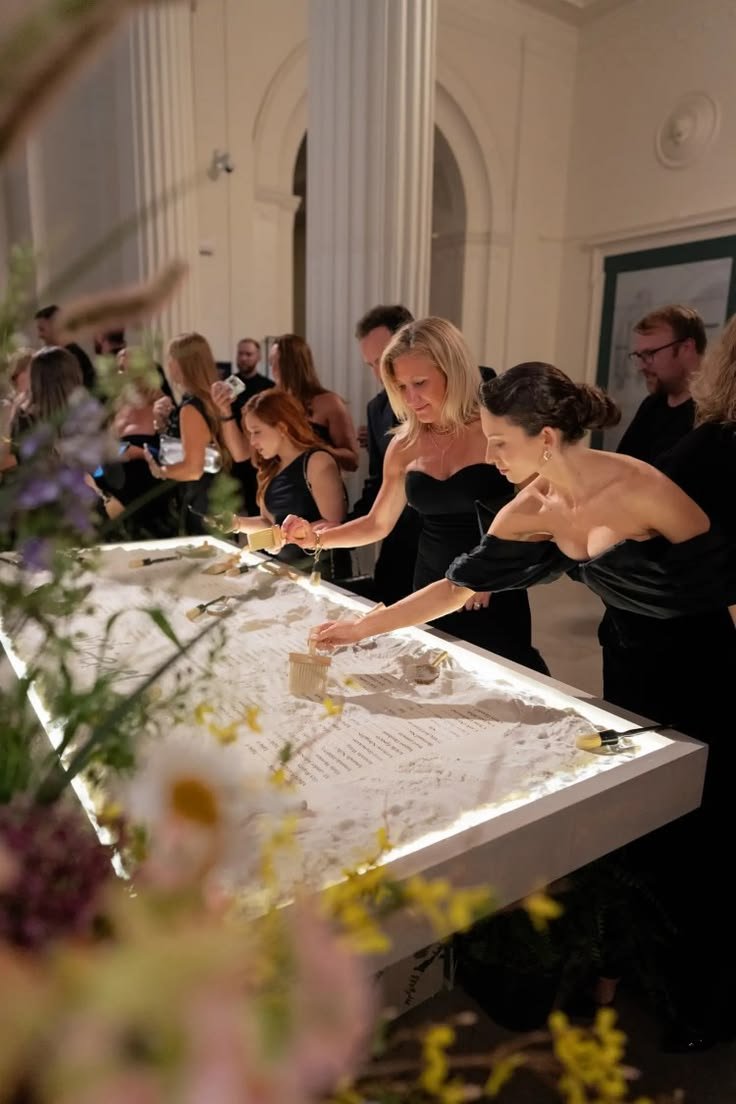
Guests engaging with an illuminated interactive event installation
Clarify / Design / DeliverFrom complexity to clarity

Practical by design · Our view of AI

AI should remove friction, not create another layer of it.

We begin by asking where the work is repetitive, slow, fragmented, difficult to scale, dependent on inaccessible information, or consuming time that could be better spent elsewhere. Then we determine whether AI is actually the right solution. Sometimes it is. Sometimes the answer is a simpler process, clearer ownership, better documentation, or a different operating structure.

the objective is not more AI · the objective is better operations
from complexity to clarity

There is usually a better way for the work to move.

Let us find it.

Start a conversation